
- Sliding: saves space, nothing swings into the room; opens half the width.
- Casement (openable): seals tightest, opens fully, catches breeze from any direction.
- Fixed: maximum light, nothing to open.
- Combination windows mix them in one frame.
How they differ
Sliding windows have sashes that move sideways on tracks. Nothing swings into the room or over a balcony, and the sashes can be large. A two-track window opens about half its width; a three-track window opens about two-thirds.
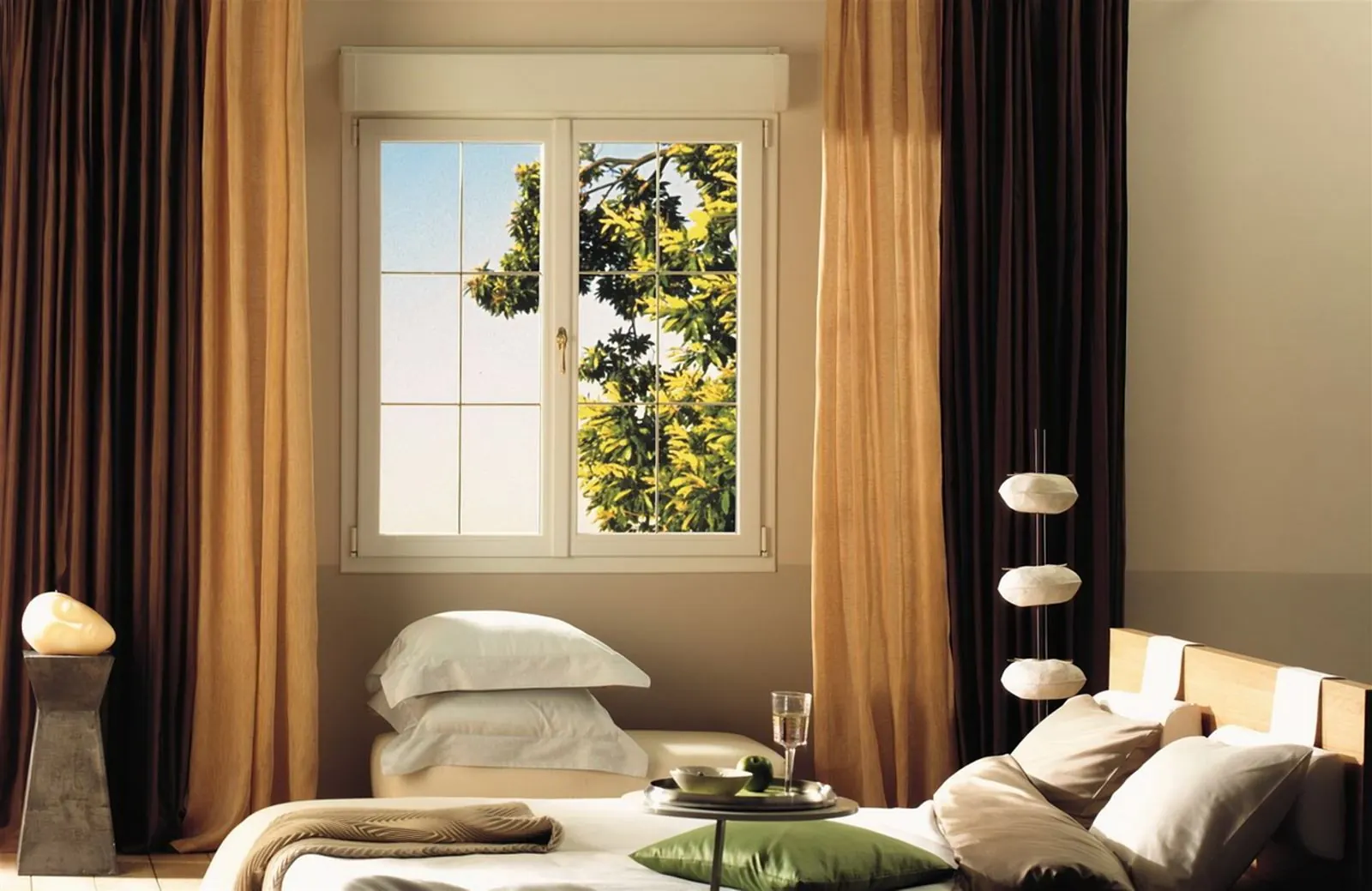
Casement (openable) windows are hinged at the side and open fully, catching the breeze from any direction. With multi-point locking and gaskets pressed all round, they give the tightest seal against air, noise and rain.
Fixed windows do not open. They bring in the most light for the money and frame a view.
Room by room
| Room | Usually best | Why |
|---|---|---|
| Bedroom on a busy road | Casement, double glazed | Tightest seal for quiet sleep |
| Bedroom, quiet side | Sliding with mesh | Easy to open, saves space |
| Living room | Sliding doors or combination | Wide glass, view and access |
| Kitchen | Casement or top-hung | Full opening for smoke and heat |
| Balcony | Sliding doors | Nothing swings into the walkway |
| Staircase, double-height wall | Fixed with openable panels | Light where it's hard to reach |
Mosquito nets
Sliding windows take a mesh sash on its own track. Openable windows take a pull-down or pleated net. Mosquito net options →
Can I have both?
Yes. A combination window couples openable and sliding sashes, often with a fixed panel, in one frame. See combination windows →
Not sure? Try our design tool or answer a few quick questions.