
- Double glazing is the best all-round choice for noise and heat.
- Toughened or laminated glass for safety; laminated also blocks 99% of UV.
- Low-E glass for west-facing rooms and large glass areas.
- Glass thickness: 60 mm series up to 20 mm (sliding) and 30 mm (openable and fixed); 52 mm sliding and 42 mm openable series up to 12 mm.
Start with what bothers you
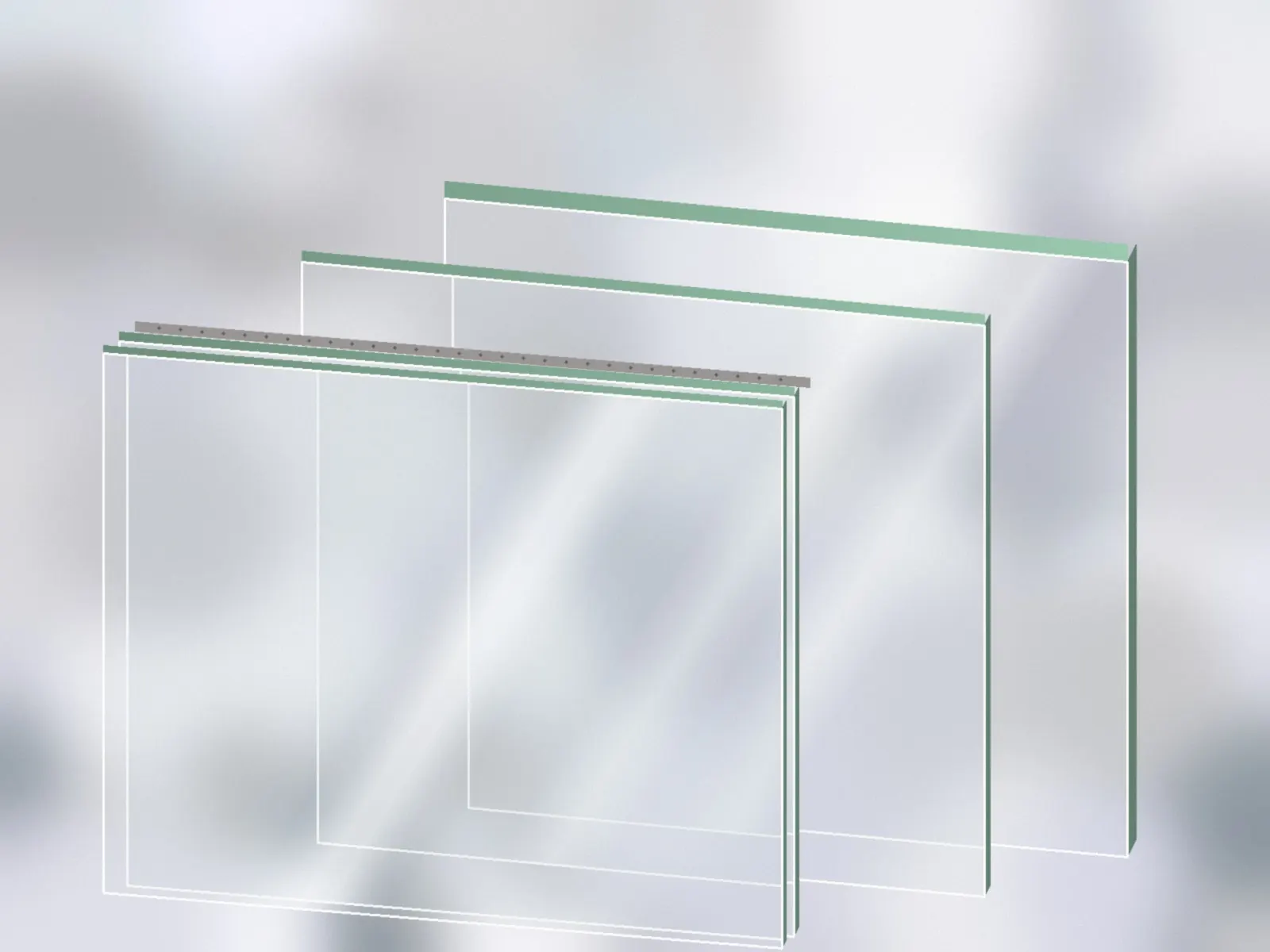
Choose glass by the problem you want to solve: noise from the road, heat from the sun, or safety for children and security. One unit can combine more than one, for example a double-glazed unit with a toughened or laminated pane.
The five main types
| Glass | What it is | Choose it for |
|---|---|---|
| Single | One standard pane | Budget projects, indoor partitions |
| Double glazed (DGU) | Two panes with a sealed air or argon gap | Busy roads, air-conditioned rooms |
| Toughened | Heat-treated, 4–5 times stronger; breaks into small blunt pieces | Homes with children, large panes, doors |
| Laminated | Two panes bonded with a PVB layer; holds together when broken | Security, severe noise, blocks 99% of UV |
| Low-E | A thin invisible coating that reflects heat and lets light through | Hot, sunny rooms and big glass areas |
For noise
A double-glazed unit in a well-sealed uPVC frame cuts outside noise by 30–35 dB, enough to turn a busy street into the sound of a quiet office. How much you gain depends on glass thickness, the air gap, the seals and the window design. For severe noise, ask about laminated glass in the unit.
For heat
The air gap in a double-glazed unit slows heat moving through the glass. Low-E glass adds a coating that reflects the sun's heat. For west-facing rooms in summer, double glazing with Low-E gives the biggest drop in cooling load.
For safety and security
Toughened glass is much stronger and breaks into small blunt pieces. Laminated glass stays in one piece when broken, which makes it harder to break through.
What thickness?
In our 60 mm series, sliding windows and doors take glass from 4 to 20 mm, and openable and fixed windows from 4 to 30 mm. The 52 mm sliding and 42 mm openable series take glass up to 12 mm. A double-glazed unit is written as pane + gap + pane, for example 5+12+5 mm (22 mm in total). Tell us the room and the problem, and we'll suggest the thickness. You can also enter it in our design tool.